Bed bugs pose a significant challenge for many households. Identifying an infestation early is essential to effective removal.
Various methods exist for tackling these pests, ranging from simple DIY solutions to professional interventions. Prevention strategies also play an important role in maintaining a bed bug-free environment.
Understanding the signs and best practices can make all the difference. What are the most effective steps to guarantee these unwelcome intruders do not return?
Identifying a bed bug infestation can be challenging, especially since these pests are adept at hiding. Common signs include dark spots on bedding, which are often fecal matter, and small blood stains from crushed bugs. Individuals may also notice an unusual, sweet odor in their sleeping area, a result of bed bug pheromones.
Additionally, bites on the skin-typically in a line or cluster-may indicate their presence, often causing itchy welts. Inspecting seams of mattresses, bed frames, and furniture is vital, as bed bugs tend to hide in crevices. Unhatched eggs, which are tiny and white, can also be found in these locations.
Regular checks and vigilance can help catch an infestation early, preventing further spread. Keeping an eye on luggage and second-hand items is essential, as these are common ways for bed bugs to enter a home.
Once a bed bug infestation is confirmed, effective removal strategies become necessary. DIY methods can help mitigate the problem before seeking professional assistance. One effective approach is to wash bedding and affected fabrics in hot water, followed by a high-heat drying cycle.
This kills both bed bugs and their eggs. Vacuuming is essential; using a vacuum with a HEPA filter can capture these pests from carpets, baseboards, and furniture. Another method involves using diatomaceous earth, a natural powder that dehydrates bed bugs upon contact. Sprinkling this around infested areas can help control the population.
Additionally, sealing cracks and crevices in walls and furniture minimizes hiding spots, making it difficult for bed bugs to thrive. Finally, implementing mattress encasements prevents bed bugs from escaping or entering. These methods, when combined, can greatly reduce bed bug numbers and help reclaim the living space.
When is it time to contemplate professional help for a bed bug infestation? Homeowners should consider enlisting experts when DIY methods fail to yield results after several attempts. If the infestation is widespread, characterized by numerous bites or visible bugs, professional intervention becomes essential.
Additionally, individuals who experience severe allergic reactions to bed bug bites may require immediate assistance to alleviate discomfort and prevent further health issues. Another indicator for professional help is when bed bugs are discovered in multiple areas of the home, including furniture and luggage. The presence of eggs or shed skins can also signify a persistent problem that necessitates specialized treatment.
Finally, if the emotional toll and anxiety from an infestation become overwhelming, seeking professional help can provide peace of mind and effective solutions. Recognizing these signs early can prevent the situation from escalating, ensuring a more manageable and successful eradication process.
To effectively prevent future bed bug infestations, homeowners should adopt a proactive approach that includes regular inspections and diligent maintenance. They should routinely examine sleeping areas, including mattresses and bed frames, for signs of bed bugs, such as shed skins or dark spots.
Keeping bedding and clothing laundered in hot water can also help eliminate any potential pests. Encouraging clutter-free environments creates fewer hiding spots for bed bugs, making it easier to spot any early signs of infestation.
When traveling, inspecting hotel rooms and keeping luggage elevated off the floor can also reduce the risk of bringing bed bugs home. Additionally, sealing cracks and crevices in walls and floors can limit potential entry points for these pests.
Maintaining a bed bug-free home requires consistent effort and attention to detail. Regular inspections of sleeping areas, including mattresses, box springs, and bed frames, can help catch any potential infestations early. Vacuuming frequently, particularly in areas like carpets and upholstery, removes both adult bed bugs and their eggs.
It is essential to dispose of vacuum bags immediately in sealed containers to prevent re-infestation. Sealing cracks and crevices in walls, baseboards, and furniture can eliminate potential hiding spots. Using protective covers on mattresses and pillows can also deter bed bugs from settling in.
Avoiding the placement of personal items on shared or public spaces is vital, as this reduces the risk of unknowingly transporting bed bugs into the home. Finally, maintaining clutter-free environments minimizes hiding places, making it easier to spot and address any issues promptly.
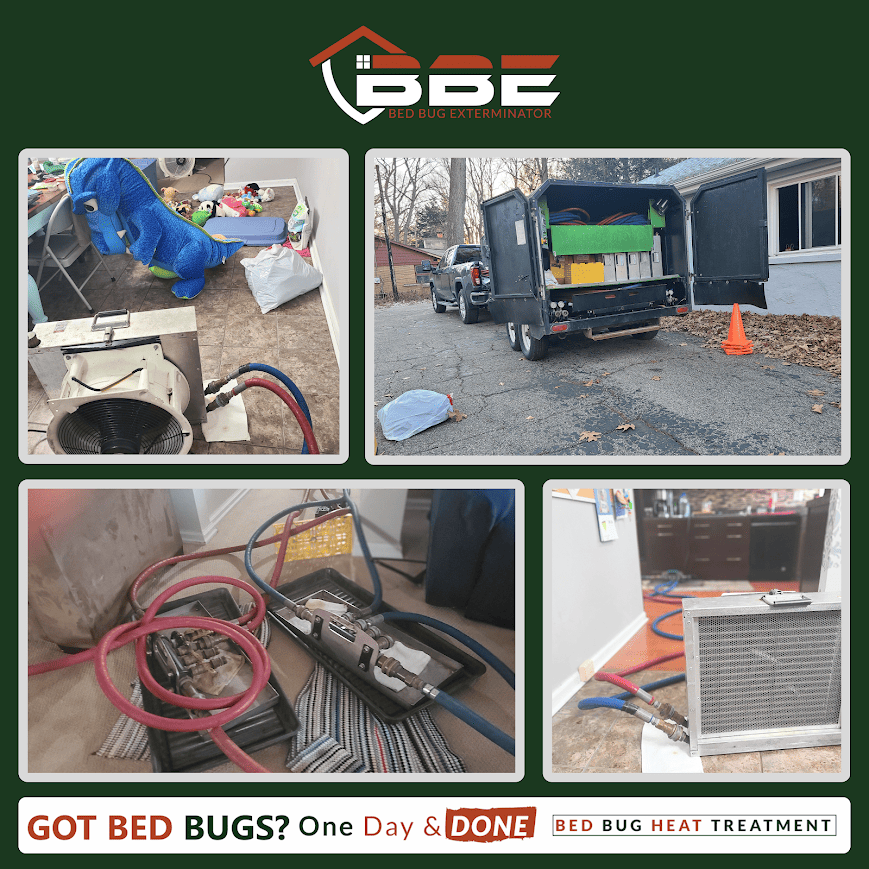
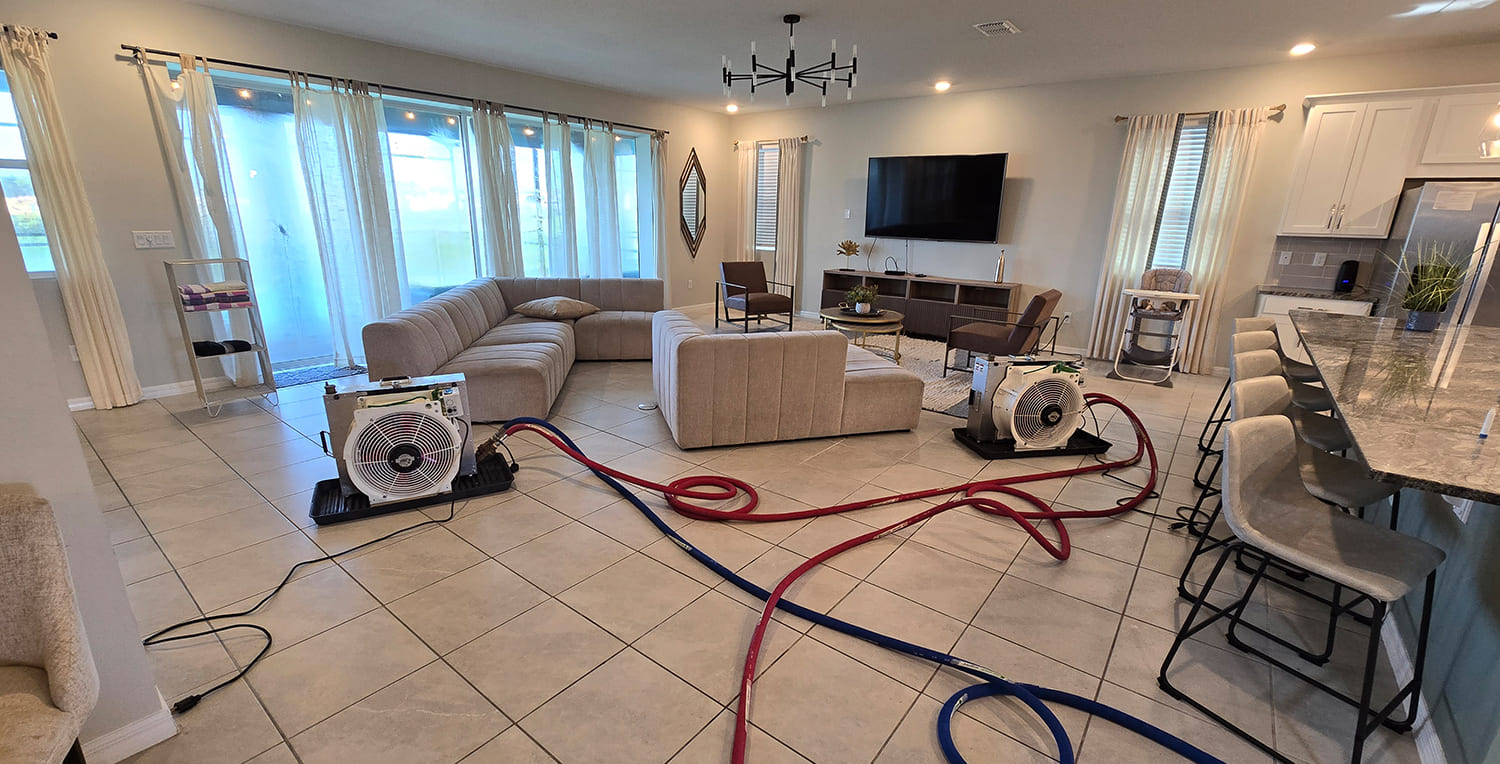
Clearing affected areas is essential for an effective bed bug heat treatment. Homeowners should begin by removing clutter from bedrooms and living spaces, as this allows for better heat circulation and access to infested spots.
It is vital to relocate furniture, particularly beds and couches, away from walls to guarantee that heat can penetrate all areas. Additionally, any items that may obstruct airflow, such as rugs or curtains, should be moved. Thoroughly vacuuming the area will help eliminate any visible bugs and debris.
Moreover, making sure that baseboards and corners are accessible enhances the treatment's efficacy. Proper preparation sets the stage for a successful heat treatment, maximizing the chances of complete bed bug elimination.

Bed bugs cannot survive extreme temperatures. High heat, above 120�F, effectively kills them, while freezing temperatures below 0�F can also eliminate these pests. Both methods require sustained exposure to be effective in eradication.
Bed bugs are generally not dangerous to pets, as they prefer human blood. However, infestations can cause stress and discomfort for animals, potentially leading to secondary skin infections from excessive scratching or biting.
The cost of professional bed bug extermination typically ranges from $300 to $1,500, depending on the severity of the infestation and the size of the property, with additional treatments possibly required for complete eradication.